

EPHEMERA (2008)
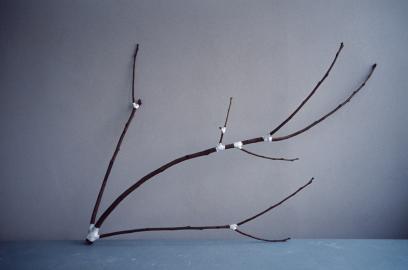
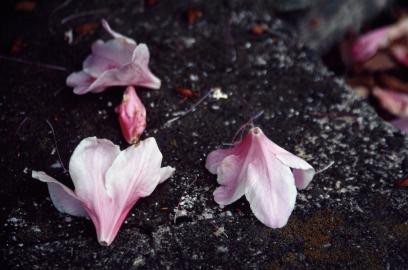
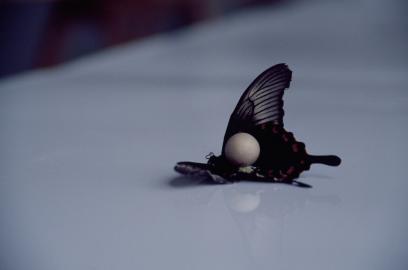
The photographic series Ephemera, created in Tokyo, refers to the Japanese concept of “mono no aware” (物の哀れ), often translated as “the pathos of things” or an awareness of impermanence. This idea encapsulates a deep sensitivity to the transient and ephemeral nature of all things and beings, as well as an appreciation of the accompanying emotions of nostalgia, melancholy, and empathy that arise from this awareness. The origins of this concept can be traced to the poetic works of the Heian period, particularly in the genre of waka poetry, in which poets often depicted fleeting moments of beauty in nature. Therefore, each motif of the photographic series Ephemera is, in essence, a contemplation of the transient quality of life and its continual cycles of change: A branch shows white bandages on each of its twigs, highlighting the pain inherent in growth. A dead butterfly carries the burden of a ball of clay on its fragile body, balancing the overwhelming weight of matter. Several flowers form a still life on the side of the street, a poetic metaphor for the bittersweet presence of decay. Each photograph evokes a state of mindfulness toward the temporal nature of reality, allowing for an attentive appreciation of renewal and transformation, and of the changing beauty of form as it unfolds within the flux of existence for the duration of its allotted time. Moreover, Ephemera serves as a reminder that change is an integral part of life, and that through embracing this reality, one can find a sense of peace and acceptance amidst the flux of existence.